Reduce energy and emissions through actionable insights
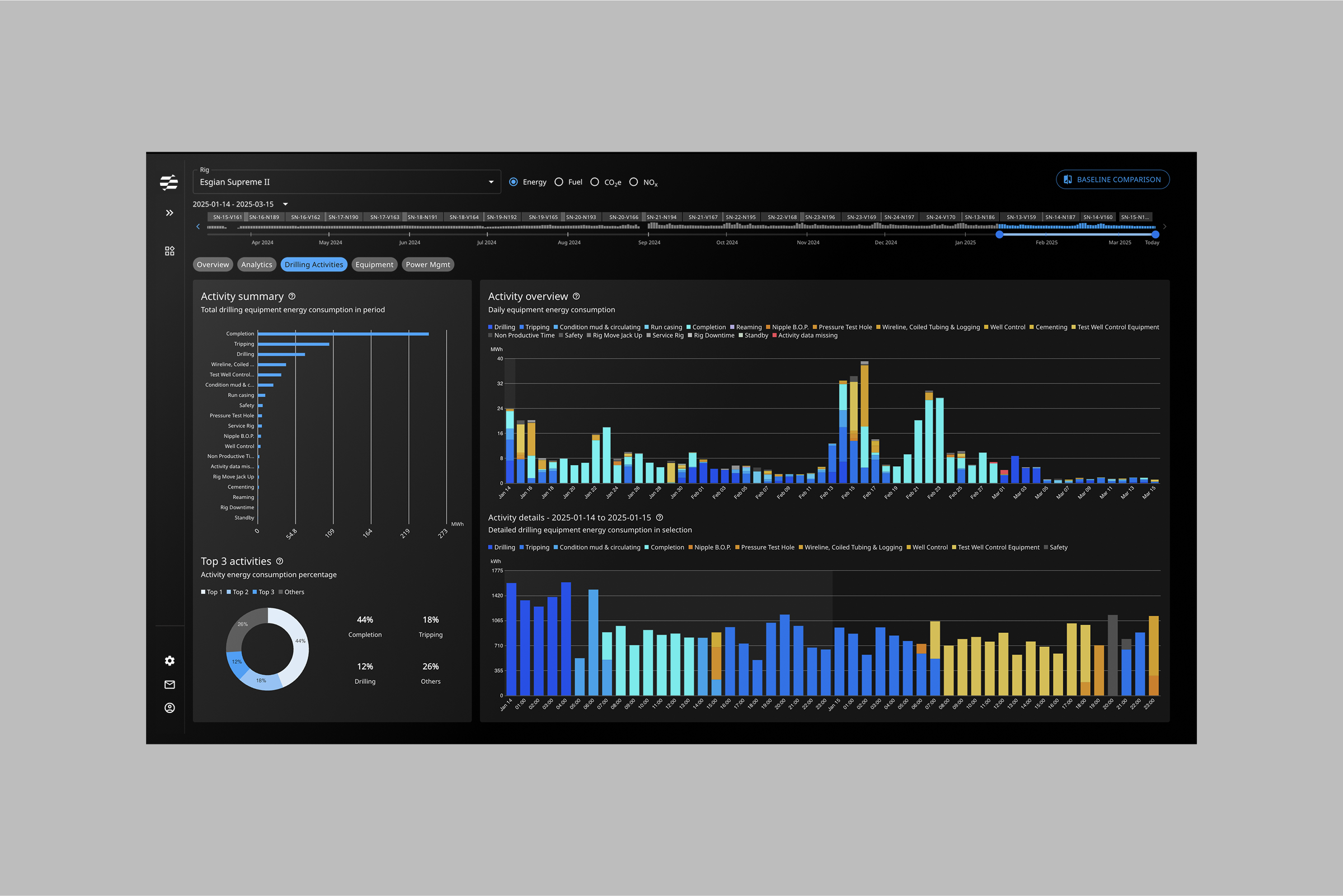
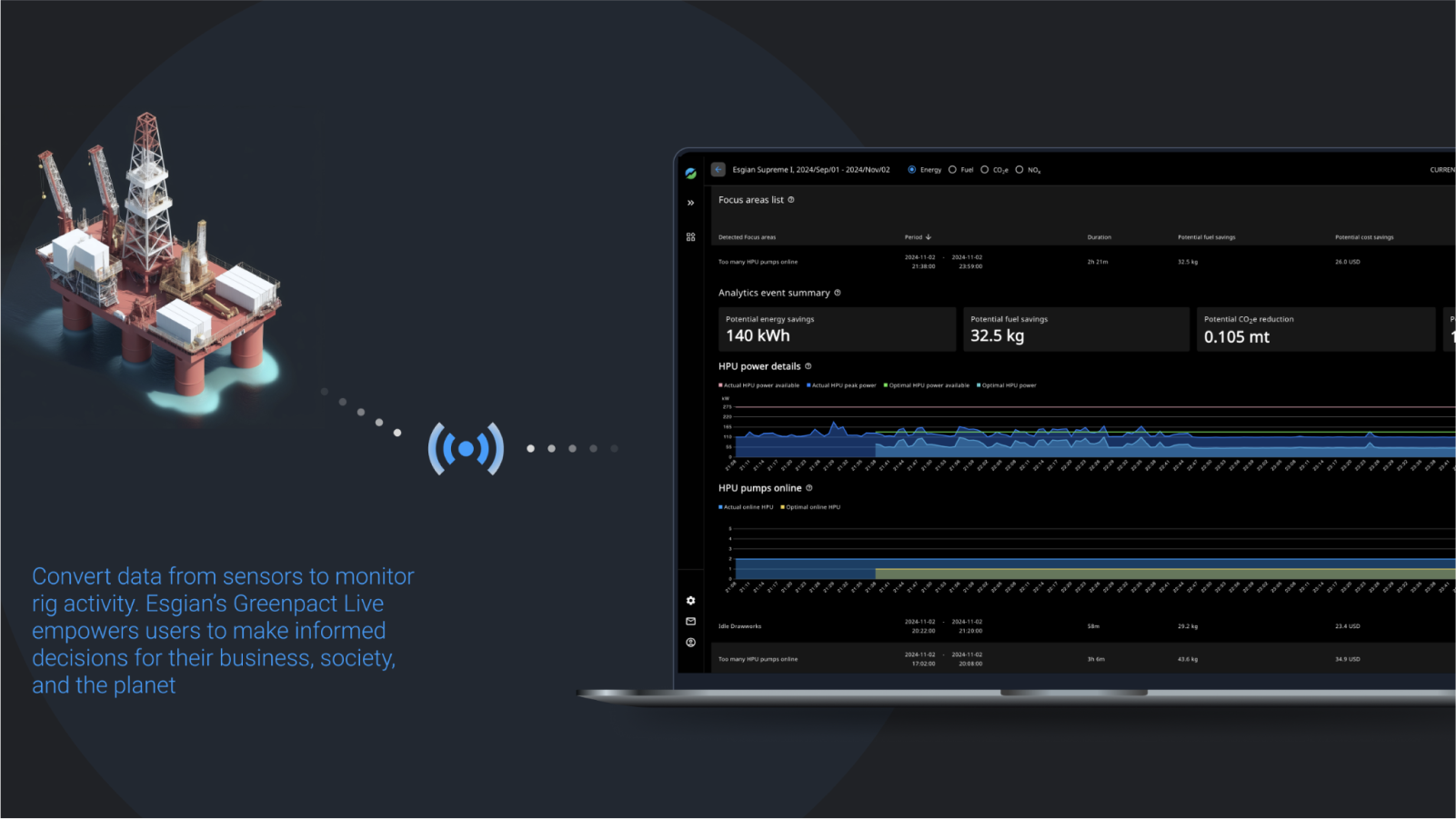
Ocean X is an innovative platform built by Esgian for the Oil & Gas sector. It is designed to help operators and rig companies reduce energy consumption and emissions. The product places a strong emphasis on data visualization, allowing users to monitor, analyze, compare, and simulate data to gain actionable insights.
I was the lead product designer, working closely with the core team to build the product from 0 - 1 through a thorough design process. This is a long-term, ongoing project, with a total design time of approximately 9 months so far.
- Product type
- B2BSaaS productData visualizationDashboard
- Capabilities
- UX strategyUX researchUX/UI DesignPrototypingUsability testingDesign System
- Design awards
- iF Design Award 2025
Business opportunity
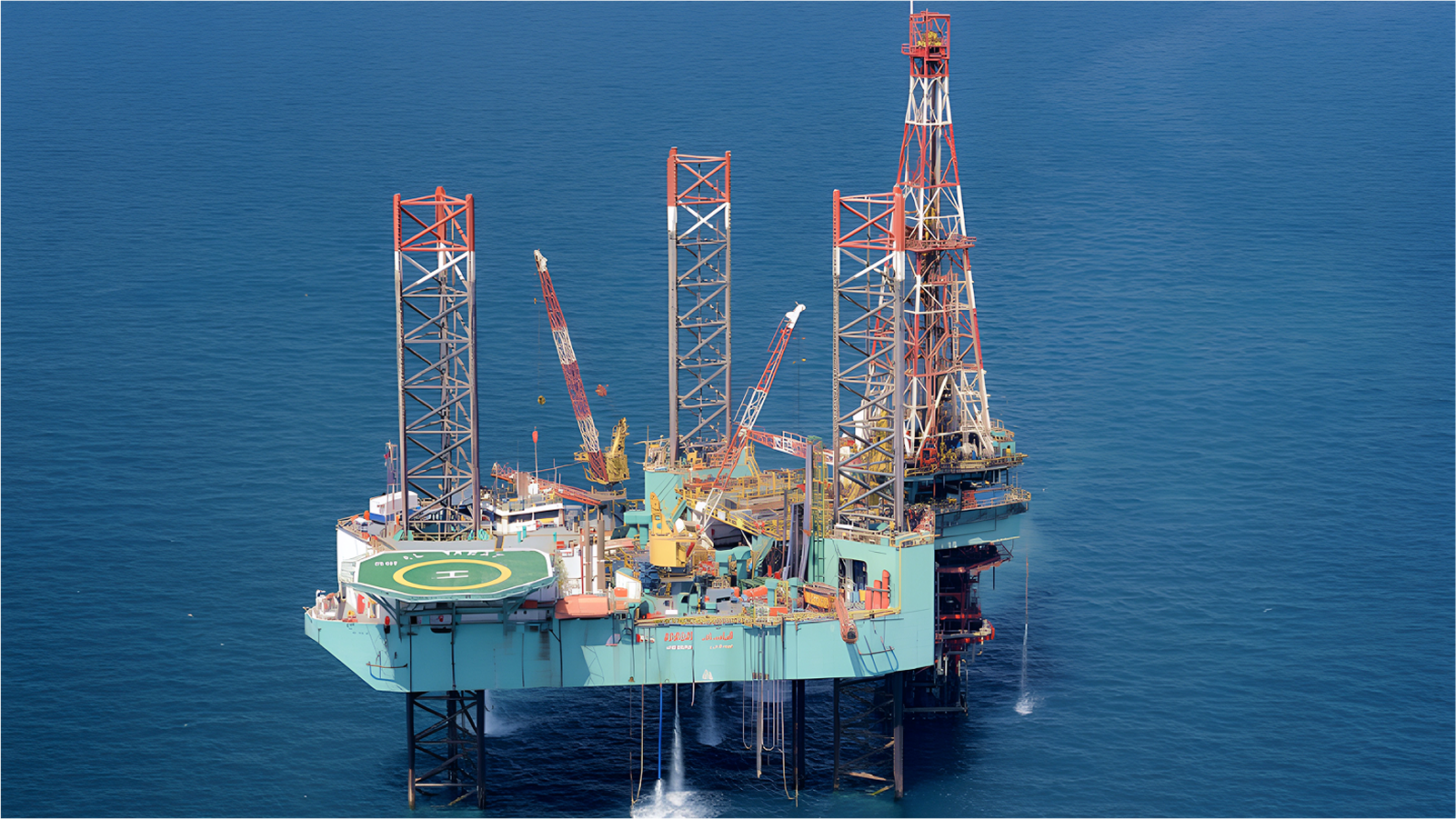
With the EU's latest ESG directives setting stricter requirements for sustainability reporting, companies face growing pressure to measure and reduce their environmental footprint. Ocean X was designed to meet this challenge, providing the oil and gas industry with powerful tools to visualize data, track performance, and make informed decisions that align with ESG goals.
Design challenge
Working closely with the core team, I led the design process for Ocean X built entirely from scratch. As it was a pioneering solution with few comparable products in the market, this required a deep understanding of a highly complex context in order to deliver a product that feels simple and intuitive to use.
While SaaS products are inherently complex, the platform is heavily focused on data visualization. Therefore, providing precise information and ensuring ease of use is key to its success.
A big part of my role as a designer was to define user needs, clarify the purpose of the dashboard, extract relevant information, determine the optimal interactions, and design the most effective way to present data. I also collaborated closely with the front-end team to figure out implementable solutions that balance usability and technical feasibility.
Approaches
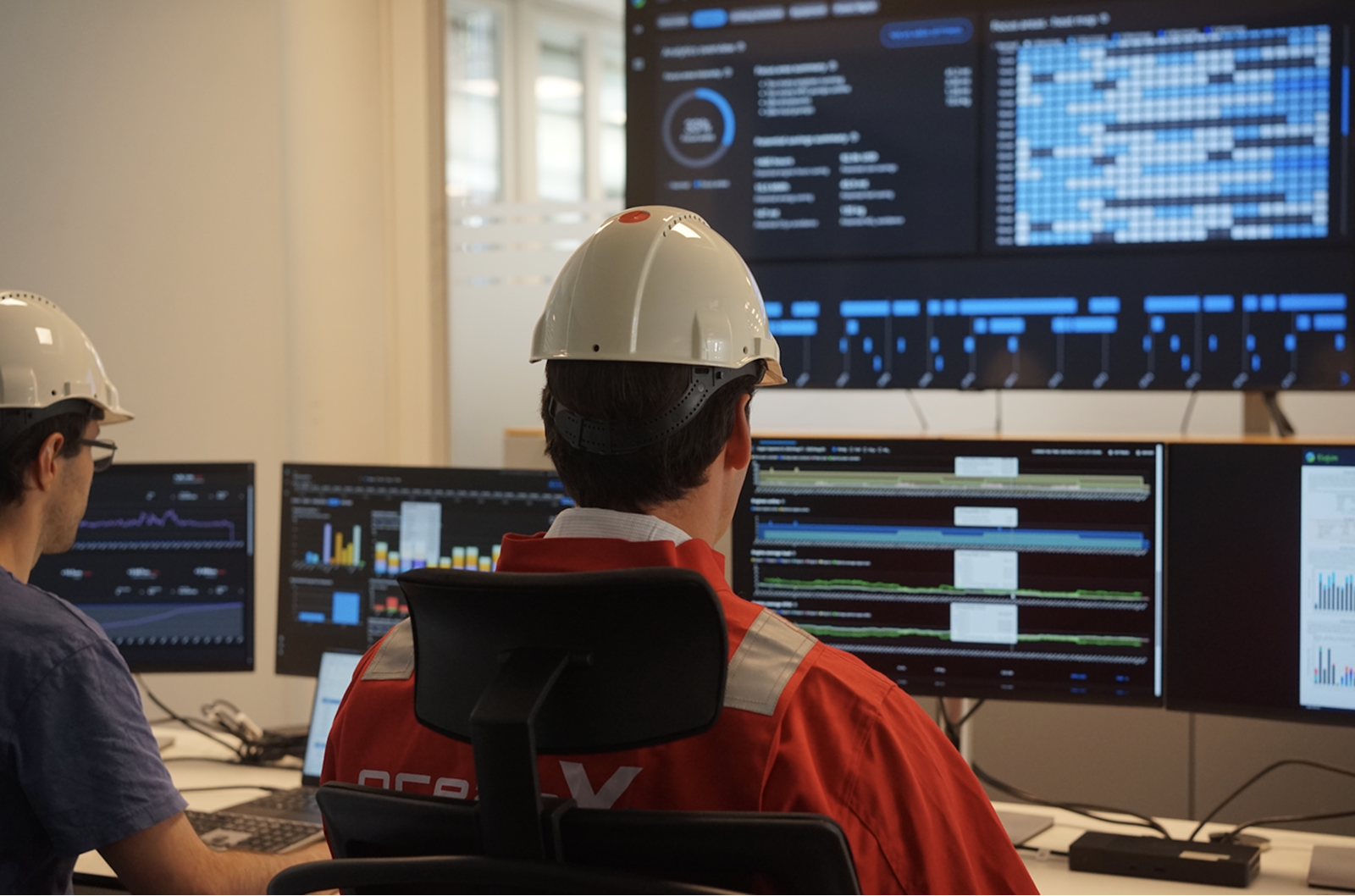
The design journey involved strategic brainstorming and workshops, translating abstract concepts into tangible solutions, prioritizing core features, and rapidly iterating to deliver a functional and intuitive product.
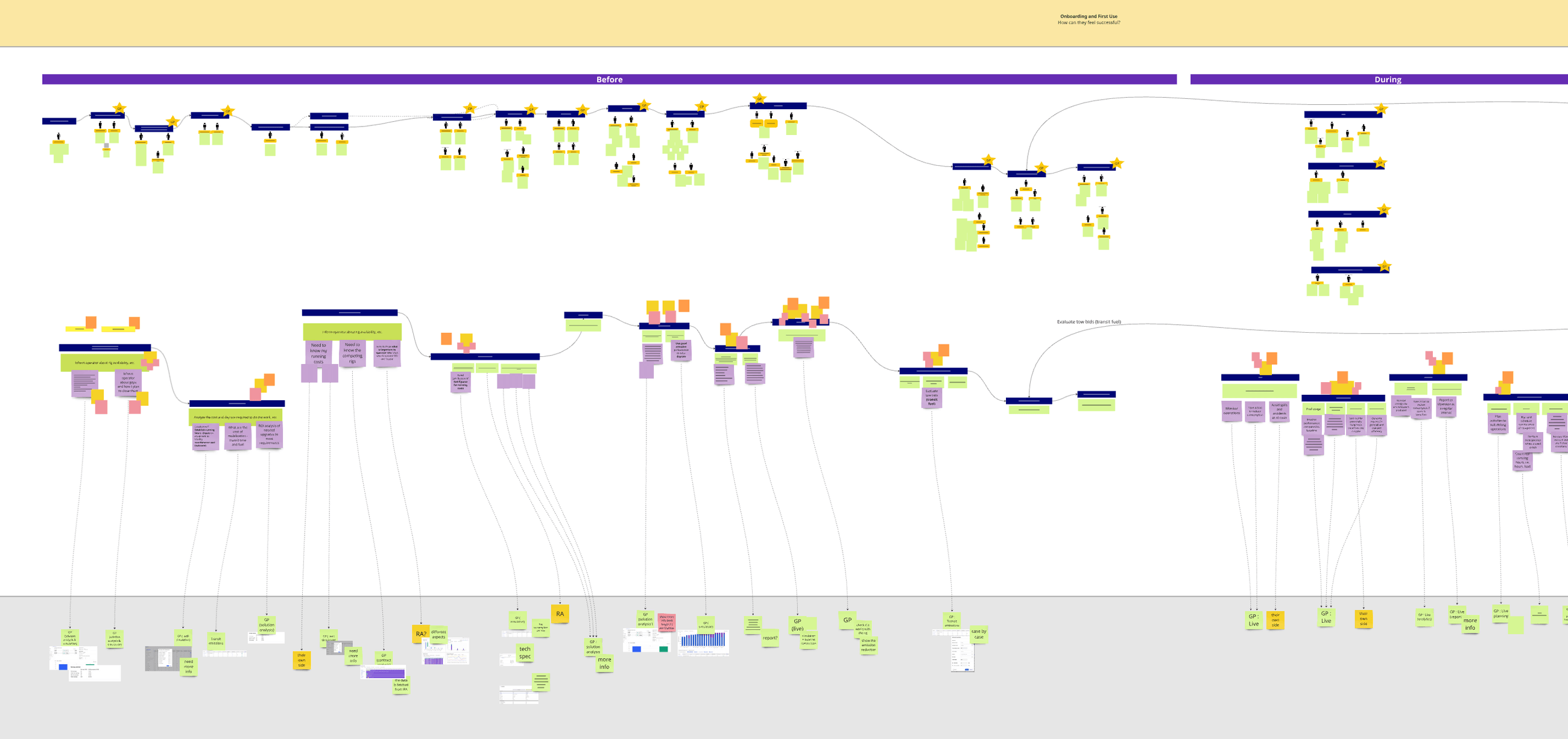
The process adopted a user-centered design approach, aiming to gain a holistic understanding of the big picture by mapping out the lifecycle map, stakeholder map, personas, and user journeys. Since this was a brand-new project, I leveraged information architecture and user flows to create clear navigation and ensure the product could scale effectively.
This project is not a one-off initiative, but rather a multi-phase, evolving product. To deliver the most effective design proposals, different design methods were applied at different stages.
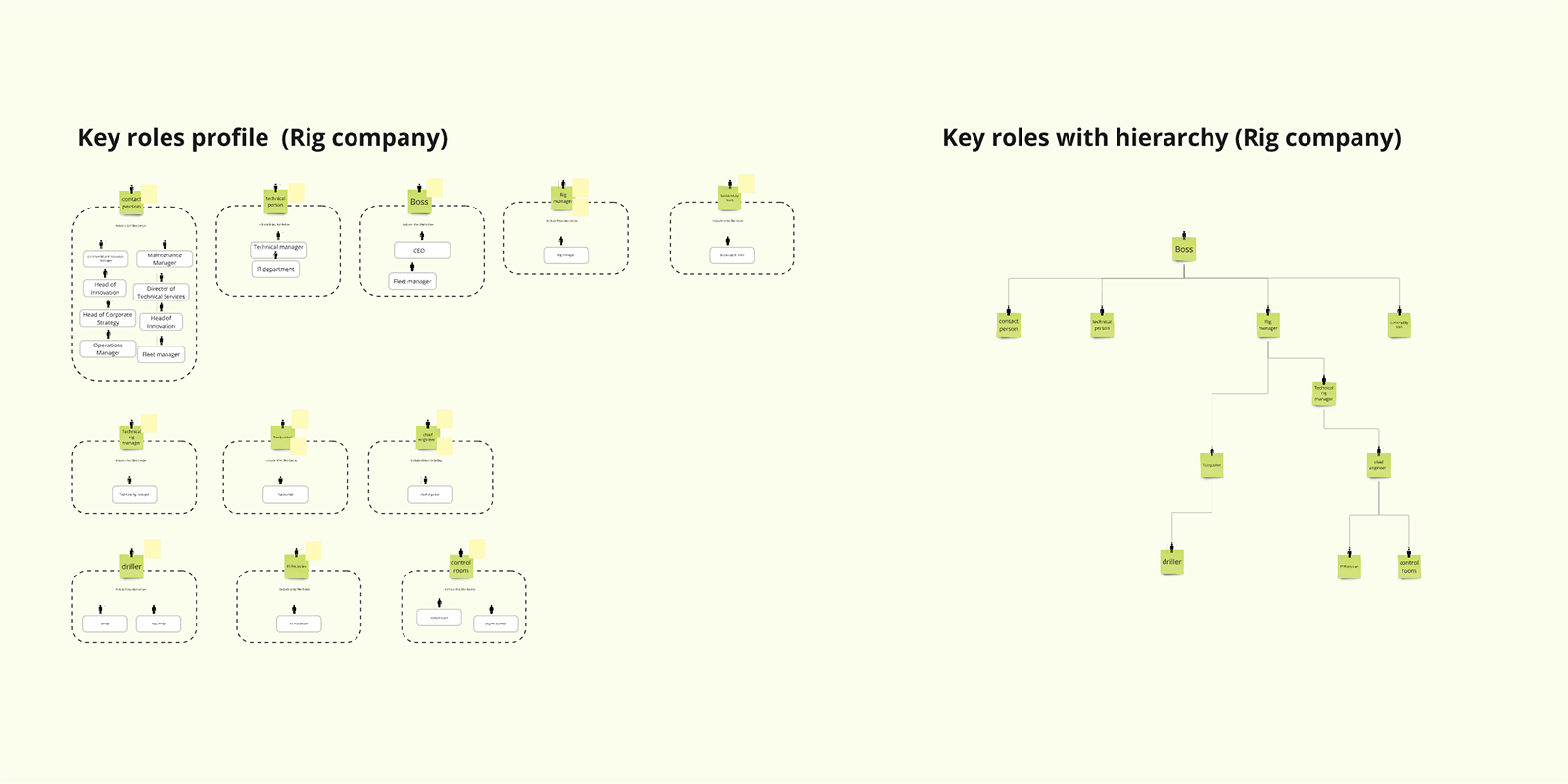
As the product matured and required more detailed refinement, we conducted in-depth research to better understand the client organizations. This involved mapping the internal hierarchy of the users' companies and gaining insights into their roles, workflows, and responsibilities. These findings enabled us to refine the design to meet real-world operational needs more precisely.
Solution
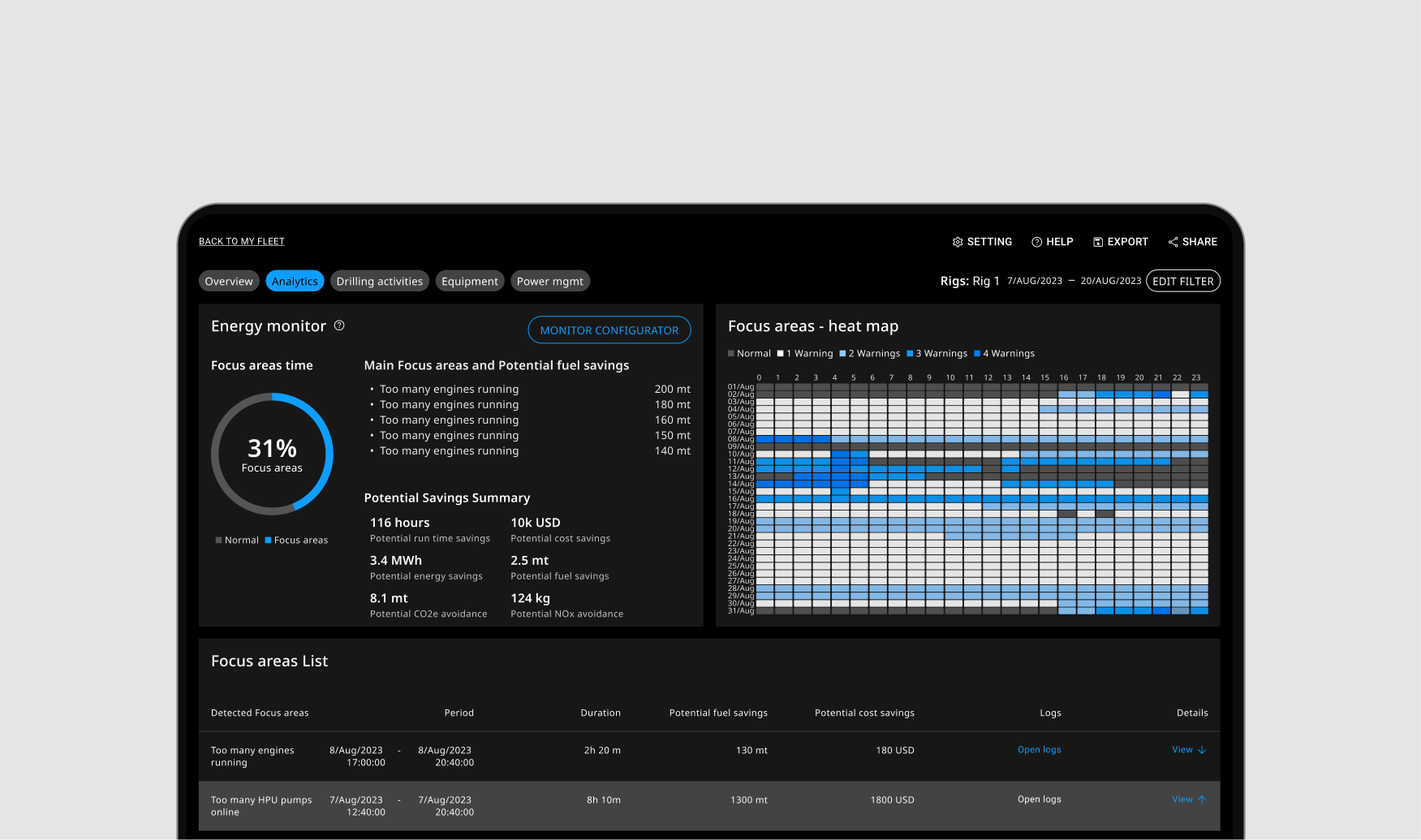
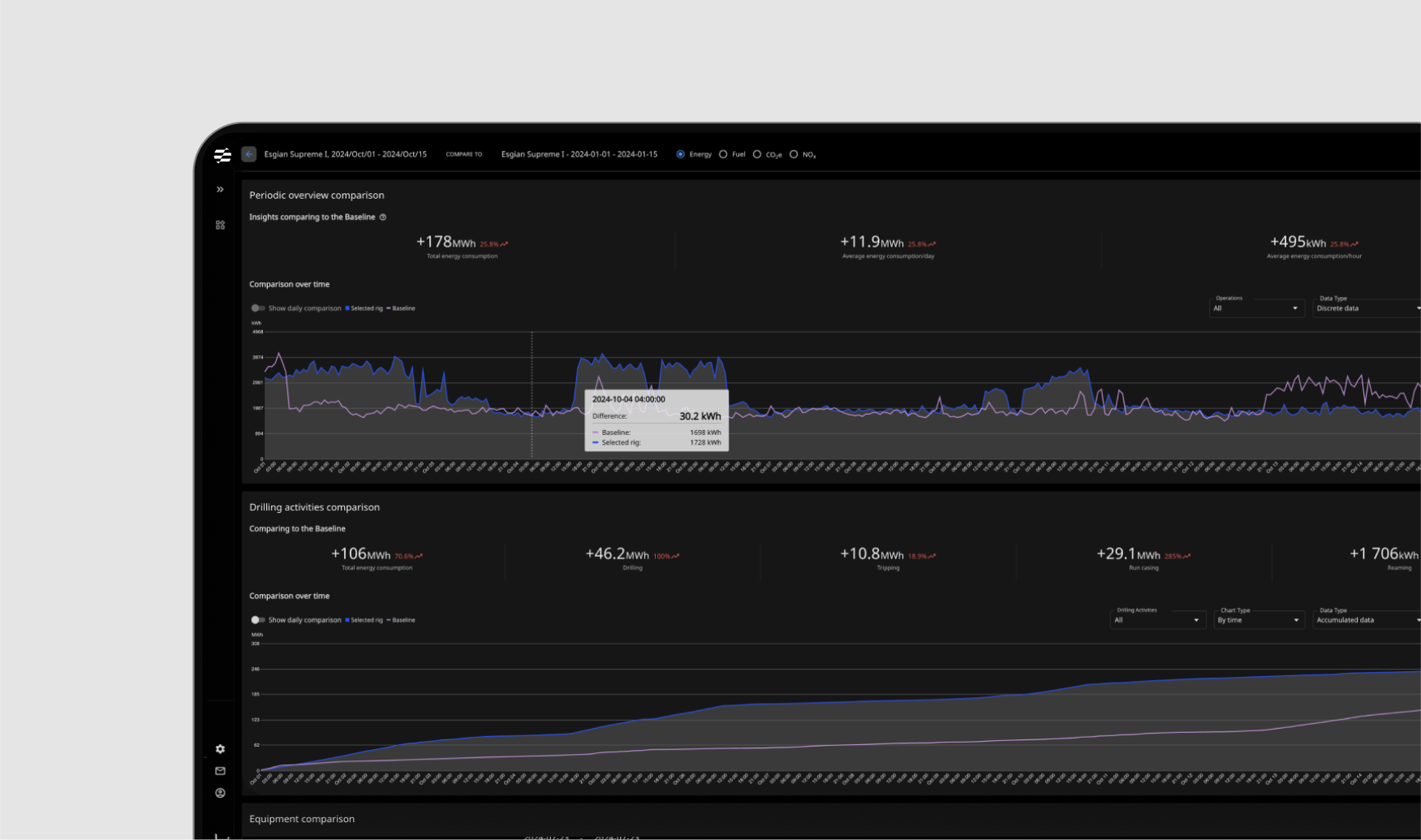
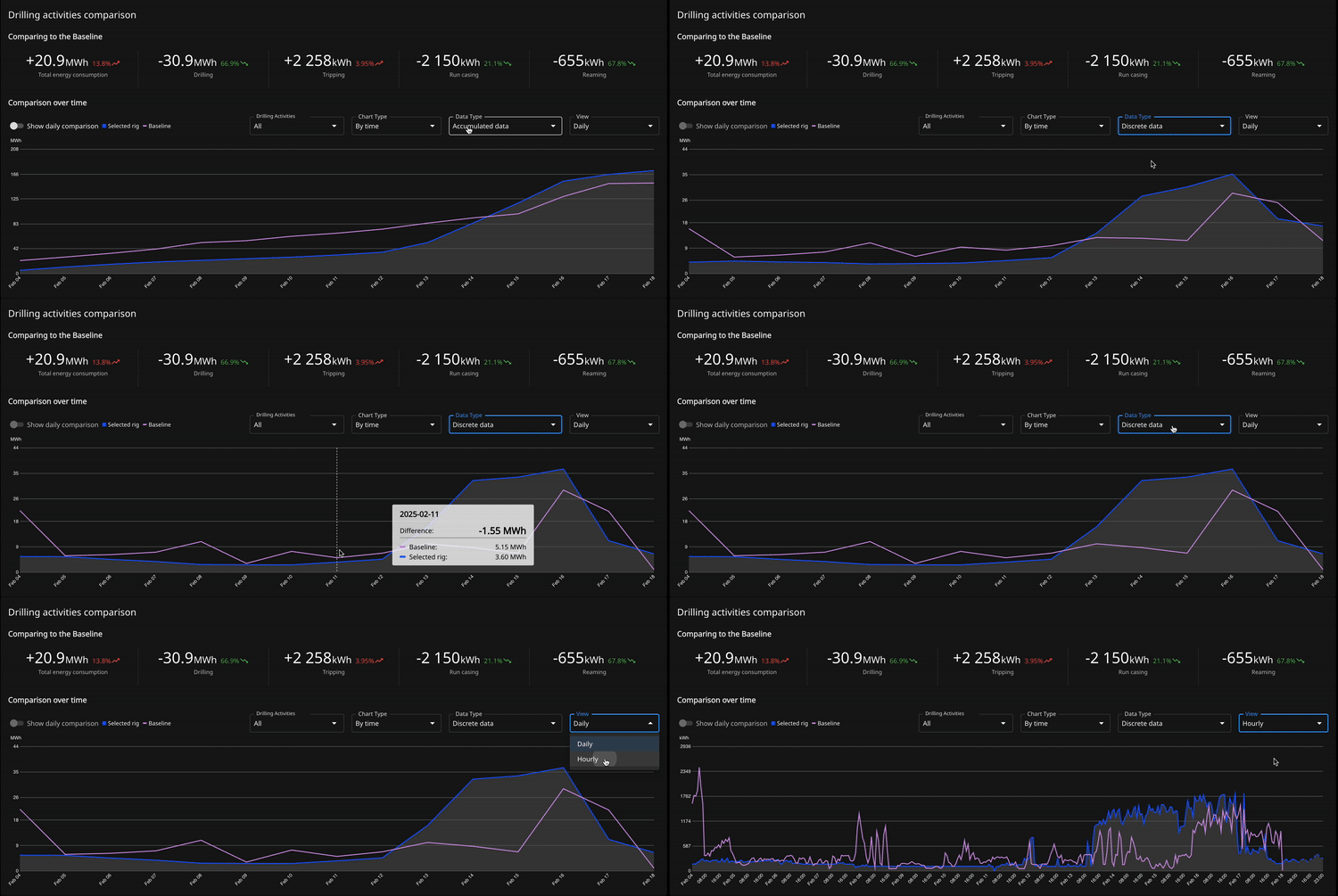
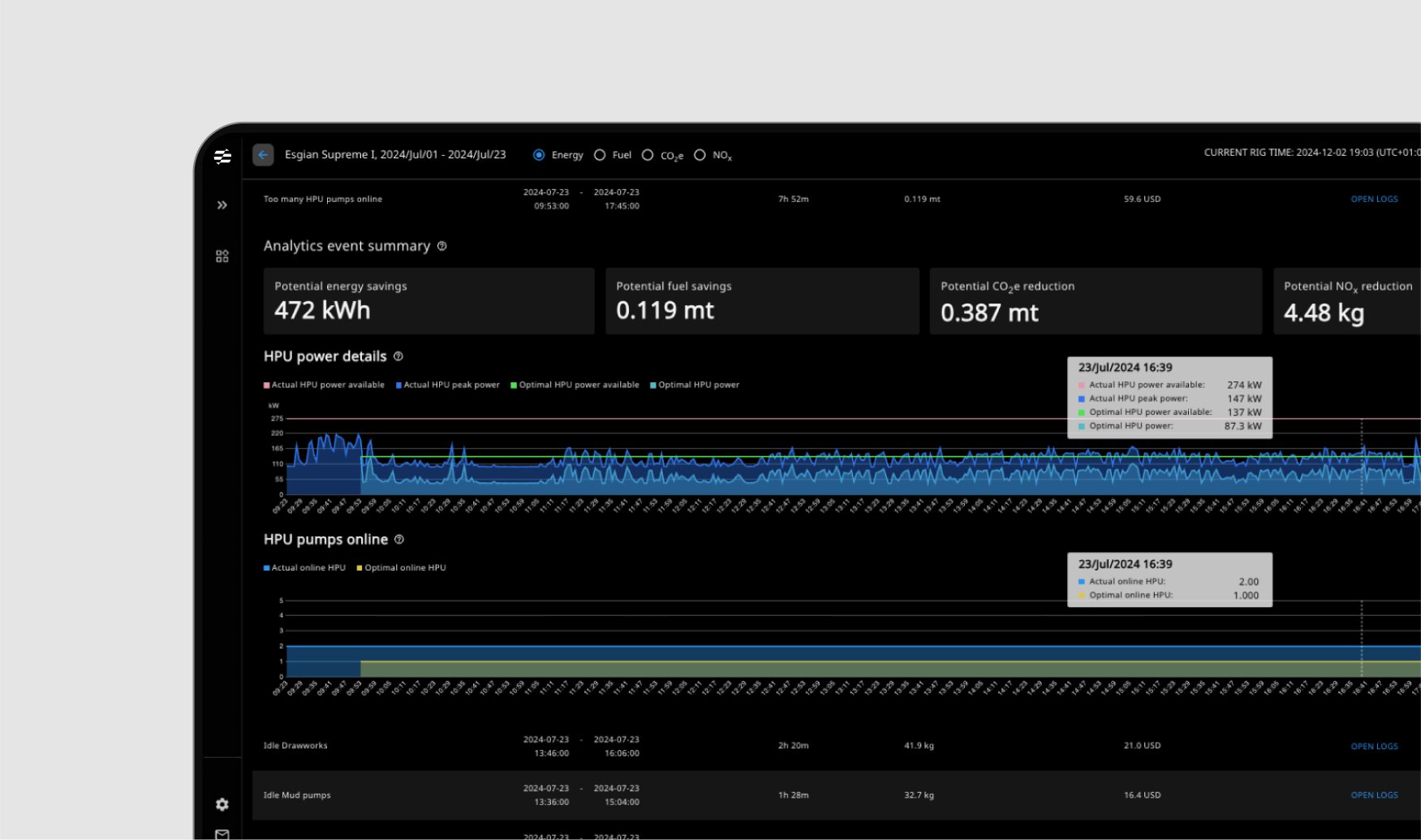
The final product direction brings core energy and emissions data into a cleaner interface system, balancing high-level orientation with detailed interaction moments.
Results
The platform is currently in pilot with multiple drilling companies in Norway and the Middle East and has won the iF Design Award 2025, demonstrating recognition from both users and the industry.